

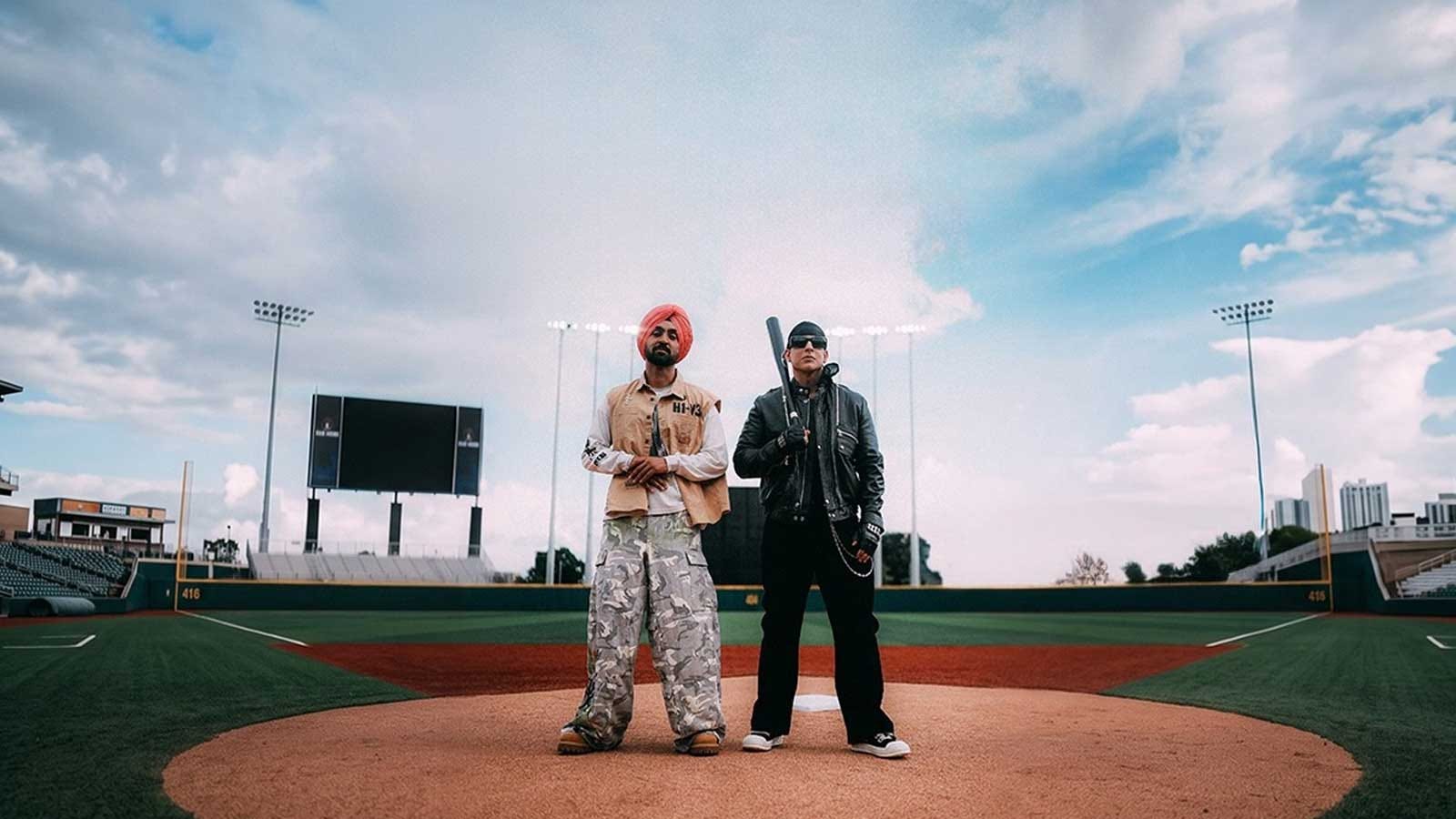
As a Sikh, seeing Diljit Dosanjh walk onto the Latin Grammy stage in his turban, singing in Punjabi, was one of those moments.
On Thursday night in Las Vegas, Dosanjh became the first Indian artist to perform at the Latin Grammy Awards, joining Puerto Rican reggaeton icon Daddy Yankee for their Punjabi-Spanish collaboration, Pokito.
Bhangra dancers moved alongside reggaeton performers. Punjabi met Spanish. Two musical traditions, rooted in different parts of the world, shared the same stage.
Daddy Yankee described the two sounds as cousins, and perhaps that is what made the performance so fitting. Music has a way of connecting communities that geography, language and borders often keep apart.
But what stood out to me was something beyond the collaboration itself.
It was the fact that Diljit showed up as Diljit.
The turban stayed. The Punjabi language stayed. The music stayed true to its roots. There was no apparent attempt to make his identity smaller to fit a bigger stage.
As a Sikh, I am particularly conscious of what the turban represents. It is not simply an article of clothing or a visual symbol. It carries a history, a faith and an identity that Sikhs have maintained across generations and continents.
For many Sikhs growing up in the diaspora, visibility has not always come easily. We have seen our communities misunderstood, stereotyped and, at times, reduced to what others think they know about us.
That is why moments like this resonate.
A turbaned Sikh standing confidently on an international stage, performing in his mother tongue, challenges the idea that global recognition requires cultural compromise.
For years, artists from South Asian communities have navigated the expectations of entering international markets. Sometimes that has meant adapting their sound, language or presentation to fit what mainstream audiences consider familiar.
Diljit’s journey offers a different example.
From becoming the first Punjabi artist to perform at Coachella in 2023 to appearing on The Tonight Show Starring Jimmy Fallon, and now performing at the Latin Grammys, he has continued to bring Punjabi culture with him.
He is not simply entering international spaces. He is bringing those spaces into conversation with Punjabi culture.
There is also something significant about the audience on the other side of the screen.
Not everyone watching the Latin Grammys would have known who Diljit Dosanjh was; for some, this may have been their first introduction to Punjabi music, bhangra or even the sight of a Sikh artist performing on such a platform.
Representation is not only about people from your own community seeing themselves reflected. It is also about allowing others to encounter your culture beyond headlines, stereotypes and assumptions.
Of course, one performance does not erase the challenges Sikhs and Punjabis continue to face. Nor does one artist represent the experiences of an entire community.
But cultural milestones have a way of opening doors.
They make it easier for the next Punjabi artist, the next Sikh performer and the next generation of young people to imagine themselves in spaces where they may not have previously felt represented.
I often think about how much the world has changed for Punjabi music. A language spoken in homes, gurdwaras, community gatherings and Punjabi neighbourhoods across the diaspora is now being heard on some of the world’s biggest entertainment stages.
Perhaps the most powerful part is that it did not need to become something else to get there.
There is a difference between being accepted by the world and showing the world what you bring to it.
Diljit Dosanjh’s appearance at the Latin Grammys was a reminder of that difference.
As a Sikh journalist, I believe these moments deserve to be documented not just as entertainment milestones, but as part of a much larger story about identity, migration, culture and representation.
Our stories have always travelled with us. Our language has survived generations. Our identity has crossed oceans.
Now, Punjabi is finding its place on another global stage.
The world doesn’t need a different version of us to listen. It needs to hear us as we are.