

Why must the Sikh Genocide be recognized as a genocide, not a riot?
In June 1984, the Indian military launched Operation Blue Star, a military assault on Sri Harmandir Sahib (the Golden Temple) in Amritsar and other Sikh religious sites across Punjab. The assault left the holiest Sikh shrine damaged, thousands of lives disrupted, and deep wounds in the Sikh community that continue to be felt decades later.
But June 1984 was only the beginning of a much larger tragedy.
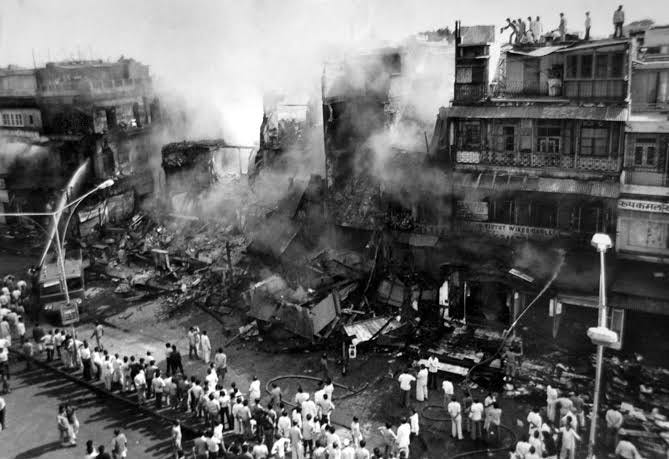
Following the assassination of Prime Minister Indira Gandhi on October 31, 1984, anti-Sikh violence erupted across India. Over several days, Sikh men, women and children were targeted, particularly in Delhi. Homes and businesses were burned, families were attacked, and thousands of Sikhs were killed. Survivors have recounted how mobs identified Sikh homes, dragged men from their families, and subjected victims to horrific violence.
Calling these events simply the 1984 riots risks reducing organized, targeted violence against a religious community to an ordinary episode of public disorder.
The word genocide carries a specific meaning under international law: acts committed with the intent to destroy, in whole or in part, a national, ethnic, racial or religious group. The argument for recognizing the Sikh Genocide centres on the targeted nature of the killings, the scale of the destruction, the selection of victims based on their Sikh identity, and the failures of authorities to prevent violence and deliver accountability.
Recognition is not merely about terminology. It is about acknowledging the experiences of survivors, remembering those who never returned home, and confronting the institutional failures that allowed such violence to unfold.
For decades, Sikh families have carried the memories of 1984. Survivors, journalists, human rights advocates and community organizations have continued to document testimonies, preserve evidence and demand justice. Their voices have refused to let the victims disappear into history.
More than four decades later, the pursuit of justice remains unfinished. Recognition must go beyond commemorative statements. It requires transparent investigations, accountability, preservation of historical records, support for survivors and education for future generations.
From 1984 to the rise of anti-Sikh hate today
The legacy of 1984 cannot be separated from the challenges Sikhs continue to face today. Across North America, reports of anti-Sikh hate, discrimination, harassment and hate-motivated incidents demonstrate that prejudice against the community has not disappeared.
While contemporary hate crimes are not the same as the organized mass violence of 1984, they raise important questions about how anti-Sikh prejudice, dehumanization and intolerance can persist across generations and borders.
For many Sikhs, the fear of being targeted because of their identity is not simply a distant historical memory. It is a lived reality. From attacks on visibly identifiable Sikhs to threats against Sikh institutions and the spread of misinformation, anti-Sikh hate continues to affect communities.
The normalization of prejudice and the failure to challenge hate can create an environment in which discrimination escalates and more serious violence becomes possible. The lessons of 1984 remain relevant in understanding why early recognition, prevention and accountability matter.
1984 must never be forgotten.
The victims deserve to be remembered by name, their stories deserve to be heard, and their suffering deserves to be acknowledged with honesty.
Remembering history is not about reopening wounds. It is about ensuring that the wounds are never erased, and that silence does not become another form of injustice.
We must continue to document survivor testimonies, educate future generations, challenge anti-Sikh hate wherever it appears, and demand formal recognition and accountability for the Sikh Genocide.
Governments, educational institutions and human rights organizations must acknowledge this history and take meaningful steps to prevent further hate-motivated violence. The responsibility to remember 1984 belongs to all of us.
Never forget 1984.
Never normalize hate.
Never allow history to be erased.