

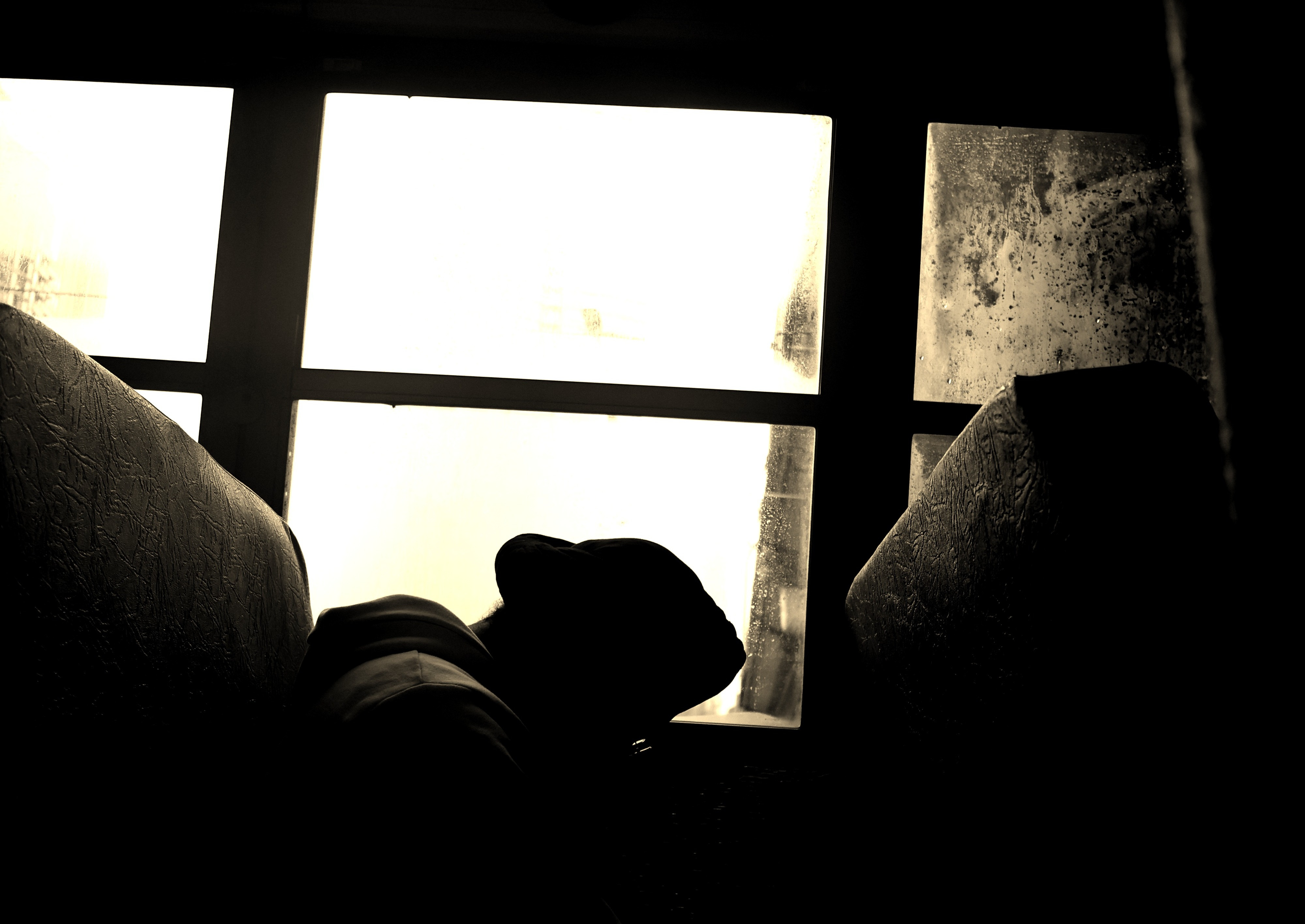
They bend. They endure. They swallow.
From a young age, Punjabi boys are taught—sometimes gently, often harshly—that emotion is a liability. Tears are a weakness. Anxiety is drama. Depression is laziness. If something hurts, you work harder. If life feels heavy, you keep quiet. If your mind is wandering, distract yourself with a task.
This is not cruelty in the obvious sense. It is a tradition to wear the clothes of survival.
In many Sikh and Punjabi households, there is a deep-rooted expectation placed on men: you must endure. You must be strong. You must not break. From an early age, boys are taught that emotion is weakness, that “real men” don’t cry, and that suffering goes unspoken. This silence—often framed as resilience—is a hidden crisis, one that destroys from within.
For generations, the mental health of men has not just been sidelined—it has been dismissed. If a man in a Punjabi family feels overwhelmed, anxious, or depressed, the response is often, “What do you have to be depressed about?” Gratitude is weaponized to invalidate pain, and mental distress becomes a moral failure rather than a medical reality. This attitude doesn’t just hurt individuals—it hurts families, marriages, and entire communities.
Men end up expressing suffering in ways that are misread or ignored: explosive anger, addiction, emotional numbness, sudden health crises, or, in the worst cases, suicide. We mourn families after tragedy, but rarely question why these men didn’t feel safe to speak before it was too late.
Strength, Silence, and Survival
In Sikh history, resilience is sacred. Values like seva, sacrifice, and perseverance are foundational. But somewhere along the way, emotional suppression became confused with emotional discipline.
Punjabi men are expected to be providers before they are people, protectors before they are partners. Their worth is measured in output—income, stability, obedience—not inner wellbeing. When men struggle, they are often told to work harder, pray more, or stay silent.
For immigrant families, this silence once functioned as survival. Parents endured racism, financial instability, and cultural displacement by focusing forward and minimizing pain. But survival strategies do not automatically become healthy traditions.
What once protected families is now harming them.
Men grow up emotionally illiterate—not because they lack depth, but because they were never given language. Sadness becomes anger. Anxiety becomes control. Depression becomes exhaustion. Trauma becomes silence.
Emotional Suppression as a Survival Skill
For immigrant Sikh and Punjabi families in particular, suppression was once necessary. Parents endured racism, economic instability, and cultural displacement. Survival required focus, discipline, and sacrifice. Emotional expression felt like a luxury.
But survival strategies do not automatically become healthy traditions.
What once protected families is now harming them.
Men grow up emotionally illiterate—not because they lack depth, but because they were never given language. Sadness becomes irritation. Anxiety becomes control. Depression becomes exhaustion. Trauma becomes silence.
Many Punjabi men do not know how to say “I’m not okay.” They only know how to withdraw, explode, or numb themselves.
“What Do You Have to Be Depressed About?”
This question has done immeasurable harm.
It assumes that suffering must be justified by visible hardship. It turns gratitude into a weapon and comparison into a form of gaslighting.
Men begin to doubt their own experiences. They minimize their pain. They tell themselves others have it worse, so their feelings must be illegitimate.
Over time, this internal invalidation becomes more damaging than external stigma.
Depression becomes a personal failure instead of a health issue. Anxiety becomes a character flaw instead of a nervous system response. Therapy becomes shameful instead of supportive.
And so men don’t seek help—until the consequences are unavoidable.
How the Pain Actually Shows Up
Punjabi and Sikh men may not speak openly about mental health, but they express it in other ways:
unexplained anger and emotional volatility
substance use that is normalized or ignored
emotional absence in marriages and parenting
chronic stress-related health issues
sudden breakdowns later in life
suicides that families describe only as “pressure” or “stress.”
We mourn these losses quietly. We avoid uncomfortable conversations. We move on without changing the conditions that produced the pain.
Why Acknowledging Men’s Mental Health Feels Threatening
For many families, allowing men to be emotionally vulnerable feels like a threat to order.
There is fear that:
Authority will be undermined
Respect will be lost
Families will become unstable
But emotional suppression does not create strong families—it creates fragile ones.
Strength without expression leads to resentment. Responsibility without support leads to burnout. Faith without emotional honesty leads to spiritual bypassing.
Caring about men’s mental health does not weaken Sikh or Punjabi culture. It makes its values livable.
Chardikala misunderstood
One of the most misunderstood Sikh concepts in conversations about mental health is chardi kala.
Historically, chardi kala meant spiritual resilience in full awareness of suffering. Sikh history does not deny pain—our Gurus spoke from within it.
What many men experience today, however, is not chardi kala but toxic positivity:
“Stay positive” instead of “tell me how much this hurts.”
“Have faith” instead of “you sound overwhelmed.”
True chardi kala allows space for grief, fear, and rest. Toxic positivity erases them. When spirituality is used to silence pain, it stops healing and starts harming.
The Cost of Silence
The impact of this silence is measurable. In Canada, men account for roughly three‑quarters of suicide deaths, and suicide remains one of the leading causes of death for men under 50.
Men are significantly less likely to seek therapy and far more likely to cope through substances.
In Sikh and Punjabi communities, this intersects dangerously with the fentanyl and toxic drug crisis. Substance use is often framed as moral failure rather than a response to untreated trauma and isolation. Alcohol and drugs become socially acceptable outlets for pain when emotional expression is not.
This silence is not neutral. It is deadly.
Community Action in Practice
There are organizations actively confronting this reality.
Many mental health organizations, such as Punjabi Community Health Services (PCHS) and Soch Mental Health, often fail to address the critical issue of overcoming substance use, which is closely linked to mental health.
Then there is Team SOUDA (Students Overcoming Substance Use Disorder & Addictions), a Sikh–led nonprofit initiative addressing substance use and overdose risk head-on.
SOUDA focuses on:
community outreach
overdose response and prevention
education around substance use without shame
As an initiative supported by @southasianmentalhealth, SOUDA recognizes what many families avoid naming: substance use and mental health are inseparable.
By meeting people where they are—without judgment—SOUDA challenges the idea that silence keeps communities safe. In reality, silence only protects stigma.
Breaking the Cycle
Many Sikh and Punjabi men today are quietly doing revolutionary work. They are naming their pain, going to therapy, setting boundaries, and learning emotional language that was never taught to them.
They are not weak for this.
They are interrupting a cycle of inherited silence.
If we want truly strong men, we must allow men to be whole.
Men who feel don’t abandon responsibility—they sustain it.
Men who are supported don’t collapse in isolation—they stay.
And that may be the strongest legacy Sikh and Punjabi families can choose to leave behind.
A Call to Action for Sikh and Punjabi Communities
This issue cannot be solved by individuals alone. It requires collective accountability.
1. Normalize Emotional Language
Boys need permission to cry. Men need permission to say “I’m struggling” without being dismissed or corrected. Conversations about mental health should be as normal as conversations about career and marriage.
2. Use Community Institutions Responsibly
Gurdwaras, community centres, youth programs, and media platforms must actively address mental health. This includes workshops, panels, sermons, and written pieces in Punjabi and English that name the issue directly.
3. Stop Treating Therapy as Failure
Therapy is not a rejection of faith or culture. It is maintenance. Just as we seek doctors for the body, we must normalize care for the mind.
4. Support Culturally Responsive Services
Mental health support must understand language, family dynamics, migration trauma, and faith. Communities should invest in and promote services that meet men where they are.
5. Leaders Must Speak First
Journalists, educators, Gurdwara leaders, parents, and elders must model openness. Change will not come from silence at the top.
A Direct Message to Elders and Institutions
To elders, community leaders, and institutions that shape Sikh and Punjabi life—this moment requires courage.
Respect is not maintained by silence. Authority is not strengthened by dismissal. And tradition is not protected by ignoring suffering.
If men in our communities are dying quietly—by suicide, addiction, or preventable illness—then something in our collective approach is broken.
Elders must move beyond asking men to endure and begin asking how they are actually coping. Institutions must stop treating mental health as an individual weakness and start addressing it as a communal responsibility. Gurdwaras, schools, media platforms, and family systems must create space for honest conversations—even when they are uncomfortable.
Listening will not dismantle culture.
It will actually save lives.
The next generation is watching how seriously you take this. They will either inherit silence—or safety.
If this piece resonates with you, share it. Talk about it. Use it as a starting point. Silence has been normalized—but it does not have to be permanent.
Appreciate you this important topic visibility. It's one of several issues that often don't get the honest conversation they need.